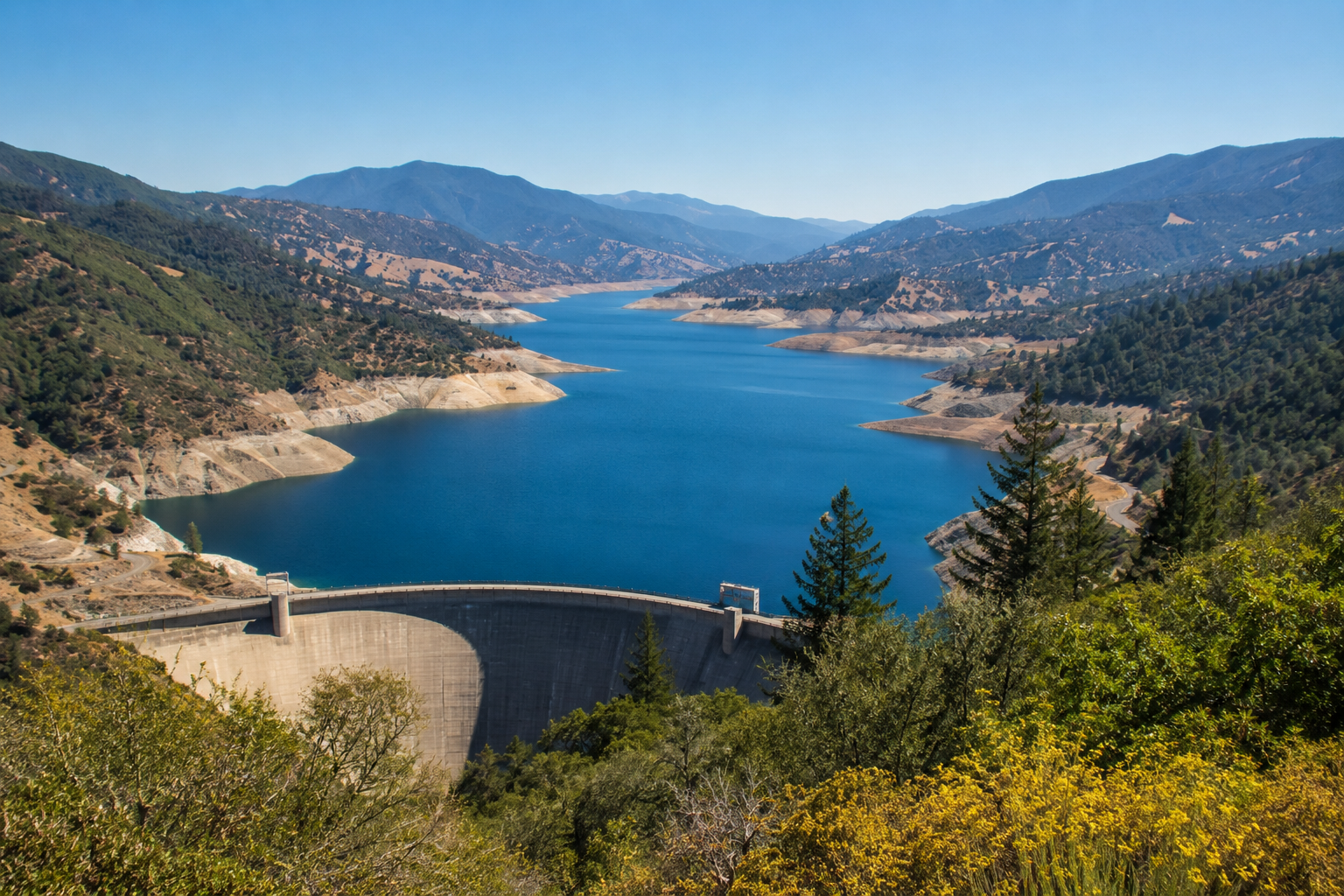
Water is one of California’s most critical and complex resources, and the California Department of Water Resources plays a central role in managing it. From planning and infrastructure to data and policy, DWR helps guide how water is used, stored, and protected across the state.
DWR is responsible for overseeing many aspects of California’s water system, including reservoirs, aqueducts, and flood control infrastructure. It also plays a key role in statewide planning efforts, such as the California Water Plan, which outlines strategies for meeting future water demand.
One of DWR’s most valuable contributions is data. The department provides access to extensive information on groundwater levels, snowpack, reservoir storage, and water use. These datasets help farmers, water managers, and policymakers make informed decisions based on current conditions and long-term trends.
DWR is also deeply involved in groundwater sustainability. Through support of local agencies and implementation of the Sustainable Groundwater Management Act (SGMA), the department helps ensure that aquifers are managed responsibly for future generations.
In addition to management and planning, DWR supports conservation and efficiency programs. These initiatives encourage smarter water use in agriculture, urban areas, and industry—helping reduce waste and improve resilience during drought.
As climate variability increases, California’s water challenges are becoming more complex. Agencies like DWR provide the structure, information, and leadership needed to navigate these changes.
By combining science, infrastructure, and policy, the Department of Water Resources helps ensure that California can meet its water needs—today and into the future.