Farm Ponds for Irrigation

Overview

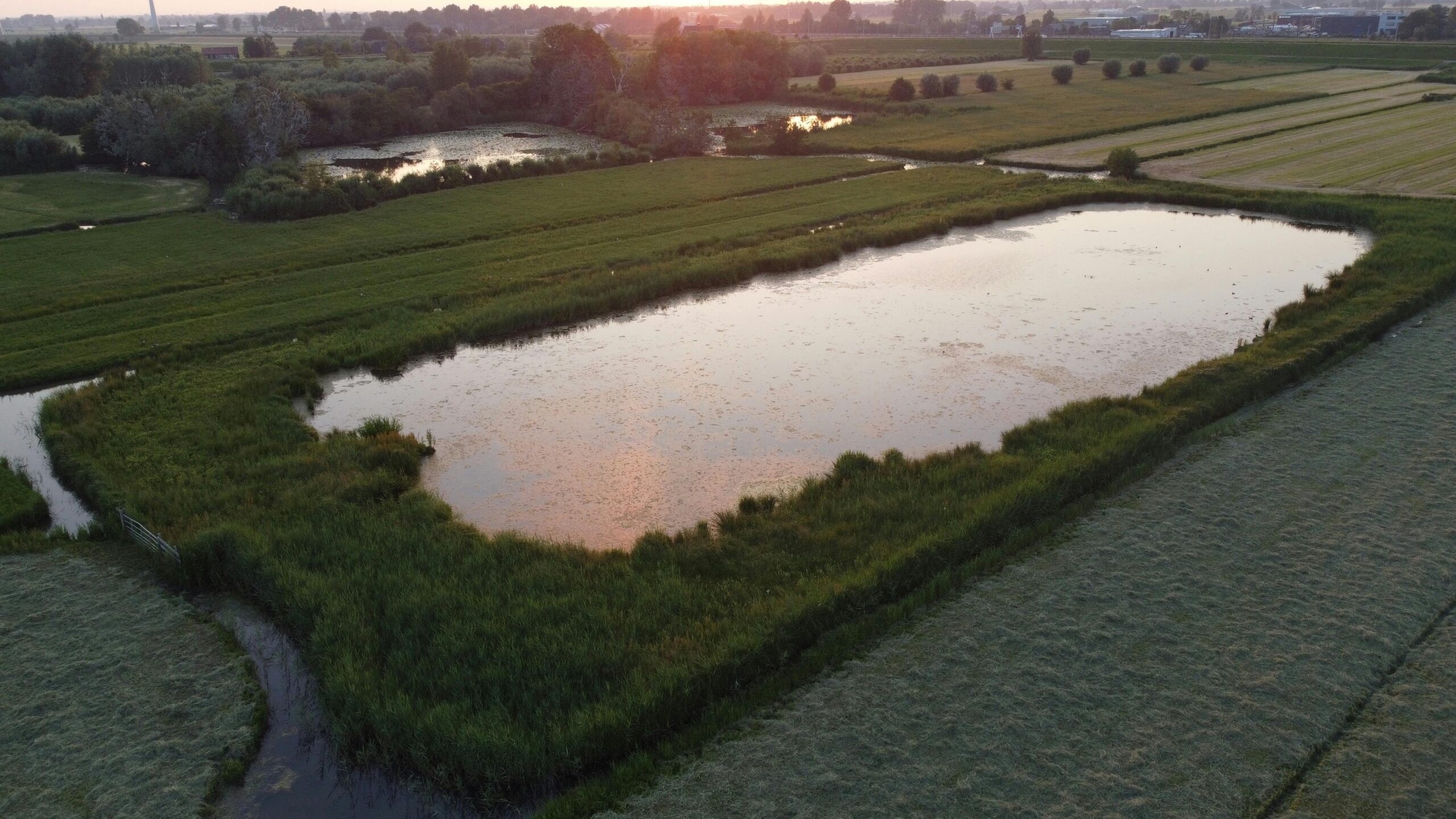
Farm ponds have great potential to improve agricultural water security through the capture, storage, and provision of water for irrigation in all regions of California. Farm ponds can also supply a water source for frost protection, recharge groundwater, and provide a wide range of additional economic and environmental benefits.

Ponds can be filled by rainfall, as is common with farm and ranch ponds that are sited at a low point and serve to collect runoff from higher in the watershed. Alternatively, farm ponds can be filled with tailwater from irrigation, which can then be recycled. Ponds can also be filled by diverting water from streams at peak winter flows, offsetting water withdrawals during the dry season when higher instream flows are needed.

Ponds can recharge groundwater, which keeps more water in the system for longer, providing greater quantities for use in the watershed and allowing seepage into streams later into the summer. Devoting more land to ponds in valleys that are overdrafting groundwater would help minimize impacts and would contribute positively to overall watershed management.

Ponds can also be used to trap, filter, and store tailwater from irrigation. Sediment can be settled and returned to the fields; water can be reused in subsequent irrigations, reducing the need to divert or pump more irrigation water. Pumping from a pond uses much less energy than pumping groundwater. A common approach is to construct a smaller sediment trap that then flows into a pond.

Ponds are common on farms and ranches, however the vast majority of ponds are currently constructed for fish farming, fire protection, stock watering, or simply landscape beautification. Their usefulness as irrigation and watershed management tools have not been sufficiently appreciated or exploited in the West, probably because farmers have largely been able to rely on organized irrigation districts and their reservoirs to store and deliver irrigation water. As water supplies become more uncertain in California, it will behoove farmers and water regulators to make more concerted efforts to institute on-farm ponds.

As farmers face changing temperatures and limited water supplies, there is renewed interest in dry farming techniques in a modern context.
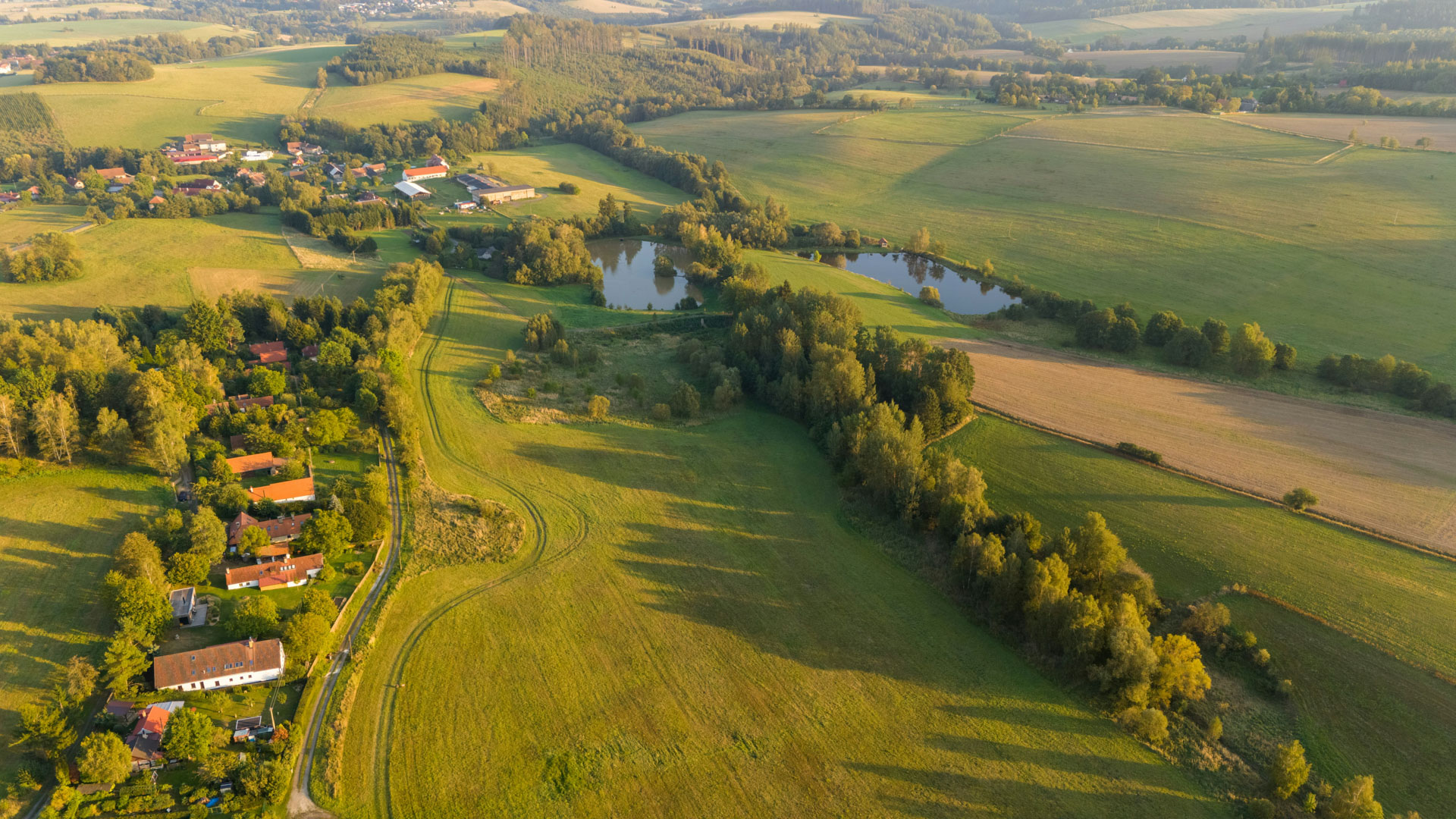
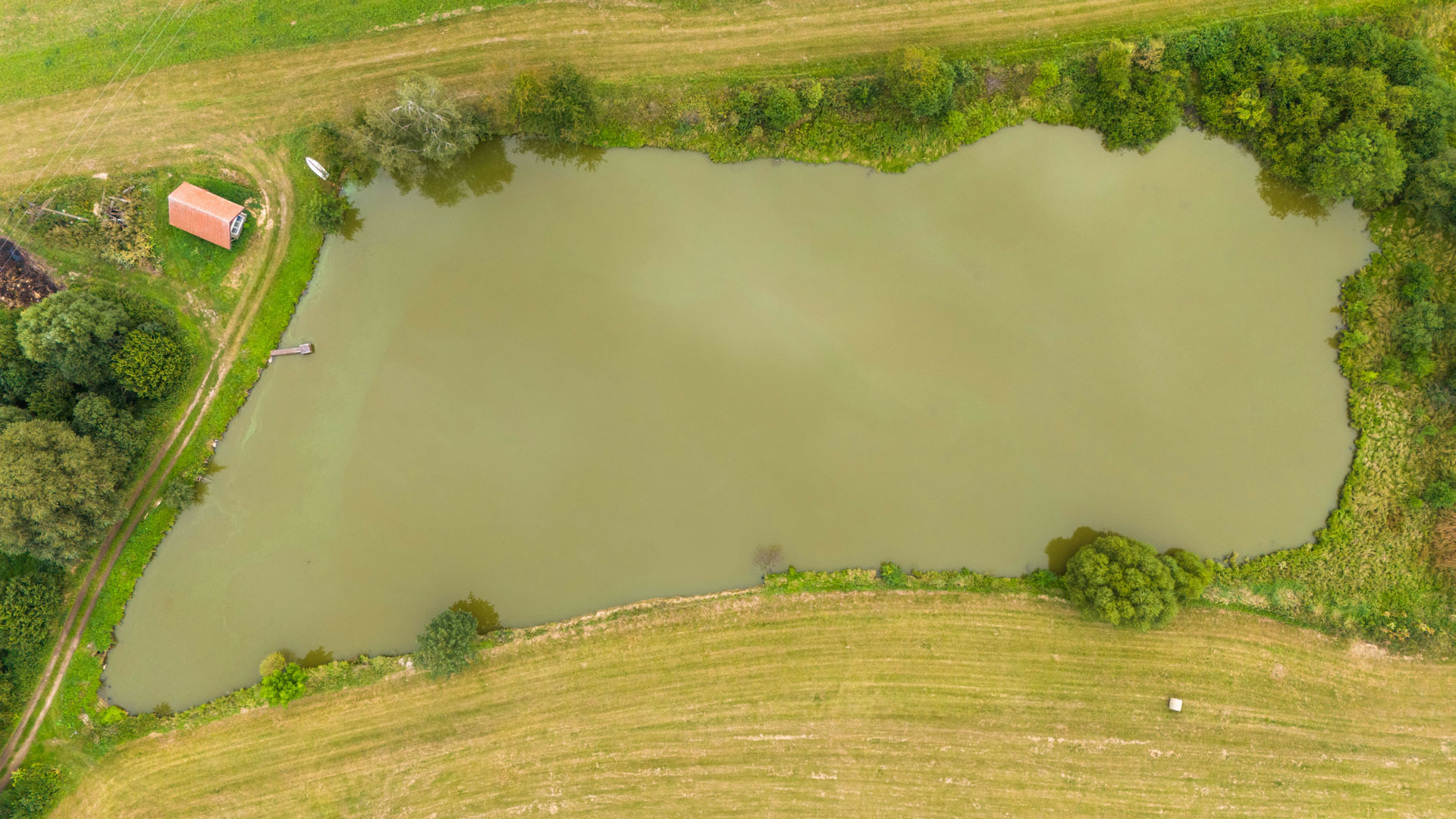
Pumping from a pond uses much less energy than pumping groundwater.

Benefits

Permanent crop dry farmers always comment on the resilience of their systems – their farms are able to withstand more extreme weather conditions without catastrophic consequences. While their neighbors might be replacing a vineyard after 20 years, the dry farm vineyards can remain viable and healthy for much longer.

Obviously eliminating applied irrigation results in on farm water savings. The UC Davis cost of production studies of typical California crops project the following volumes of irrigation water applied to the crop during a growing season:

  • 2-3 feet for olives in the Sacramento Valley
  • 2 feet for potatoes in the Klamath Basin
  • 3 feet for bearing apples in the Sierra Foothills
  • 1.5 feet for bearing pears in Lake/Mendocino area
  • 3 feet for mature green fresh market tomatoes in the San Joaquin Valley
  • 1-2 feet for winegrapes on the Central Coast

In addition to on farm water savings, there are other benefits with dry farm systems.

  • Cultivation and the elimination of irrigation reduces weed pressure and the related weed management programs.
  • Capital costs associated with wells and irrigation infrastructure are eliminated.
  • Labor costs associated with irrigation are eliminated.
  • Energy costs and impacts for pumping are eliminated.

Photo by Magda Ehlers

Ponds act to slow the flow of water through the basin, allowing more of it to be retained for use.

Considerations

Because dry farming requires a systems approach, to be successful it requires more consideration than turning off the water. That said, there are growers who are redeveloping or converting irrigated fields to dry farm operations. Each situation is unique with its own combination of soil type, soil depth, rainfall, and markets.

While traditional thought suggests that dry farming is limited to areas with 30+ inches of rain, there are examples of 25 year old vineyards that receive only 12 inches of rain. In the more arid climate, deeper soils and wider spacing make this possible.

Wider spacings result in lower yields, but it’s important to remember that not all dry farm systems use wider spacings. While people think of dry farm vineyards having 10×10 or 12×12 spacings, newer vineyards are successfully using more dense plantings (9×4.5 for example). Depending on the rootstock and variety, vigor and production can vary greatly. In addition, dry farm systems don’t have the costs associated with irrigated systems. Combined with buyers who prefer dry farm fruit, these systems can be profitable, although some regions with lower price per ton averages may not be feasible.

Photo by Stan Versluis