Recycled Water
Municipal Recycled Water
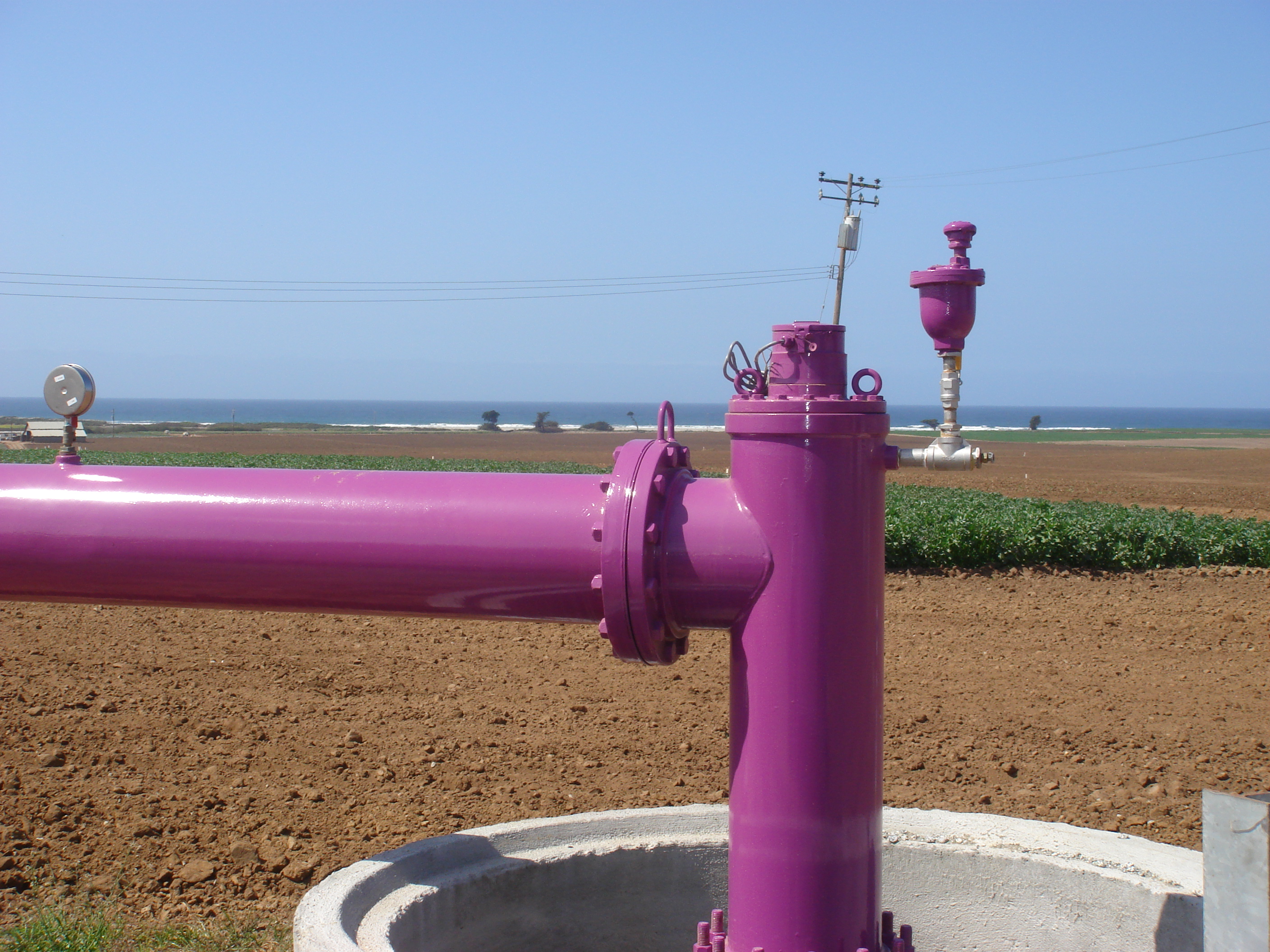
In California, growers using recycled water meeting the Title 22 criteria have shown over the last 50 years that this practice is safe and economical.
What can the grower do?
Water Savings
Applications
Additional Benefits
Energy Savings with Recycled Water
Benefits for Wastewater Treatment Plants
Environmental Benefits
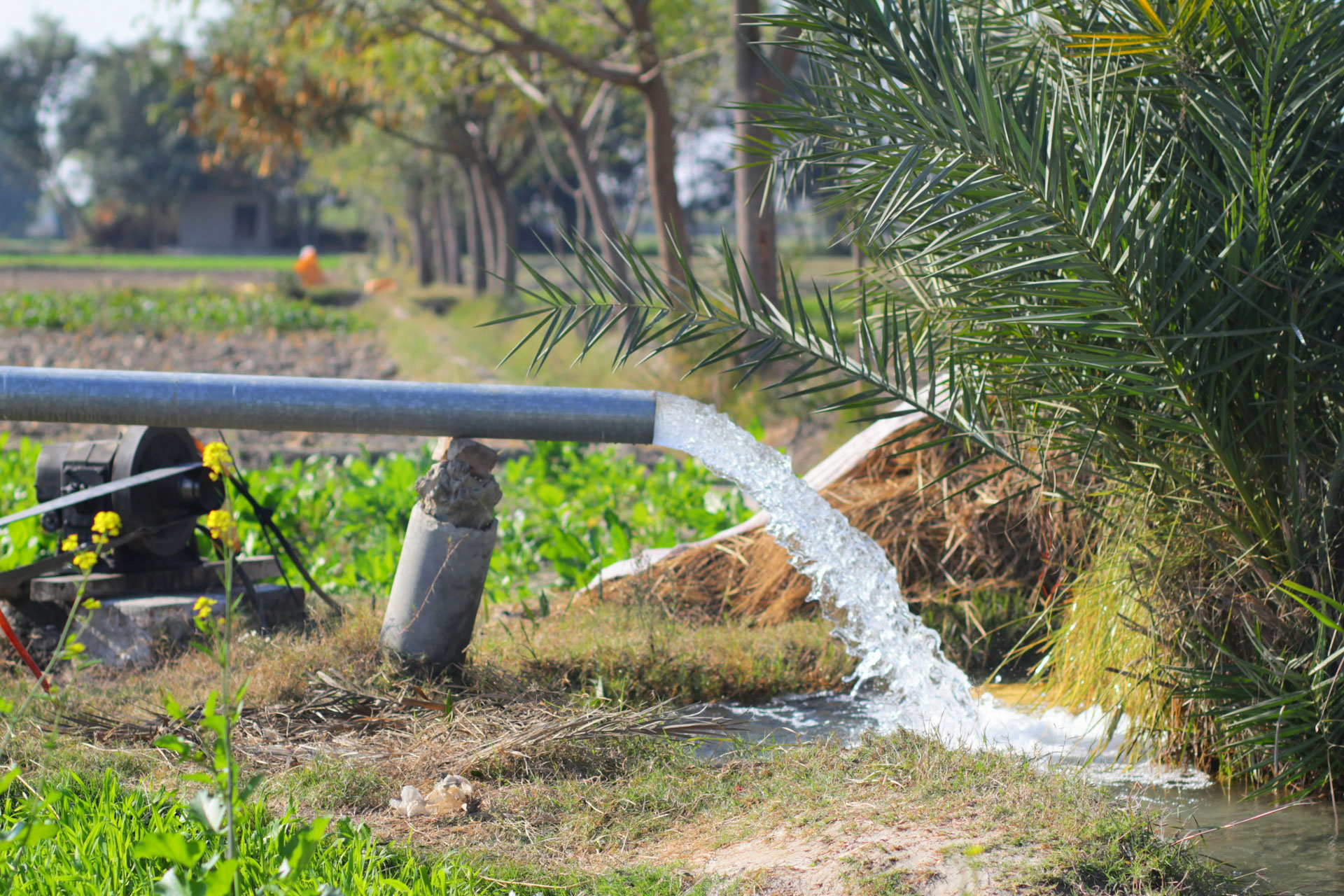
Recycled water is also sustainable, conserves energy and provides a significant portion of the nutrients needed by the crops.
Frequently Asked Questions about Recycled Water
Recycled water is wastewater that has been purified through a series of treatment processes. The treatment system can provide this sustainable supply of water for agricultural and many other uses. Most treatment systems utilize three treatment processes in the production of recycled water:
- Primary treatment, which removes all debris and inorganic material from the water
- Secondary treatment, which is a biological treatment process where microorganisms metabolize all organic material
- Small or package treatment plants serving clusters of residences in isolated areas
- Tertiary treatment, which polishes the water through filtration and disinfects the water through the use of chlorine or ultraviolet light
First, recycled water is reliable – Even in times of drought when restrictions are placed on the use of potable (drinking) water for non-essential uses like agricultural irrigation, recycled water is readily available. During periods of mandatory cutbacks and water rationing, recycled water can save an investment of hundreds of thousands of dollars worth of commercial landscaping.
Second, Recycled water is competitively priced – Because it’s locally produced, the public agencies can provide recycled water at a per unit rate which is less than the potable water irrigation water rate. Recycled water often costs 80 to 90% of the potable water rate for irrigation.
Third, Recycled water’s nutrients reduce fertilizer costs – Some essential plant nutrients survive the wastewater treatment process, giving recycled water an added benefit. Many recycled water customers have discovered that fertilizer costs are substantially reduced for farms irrigated with recycled water.
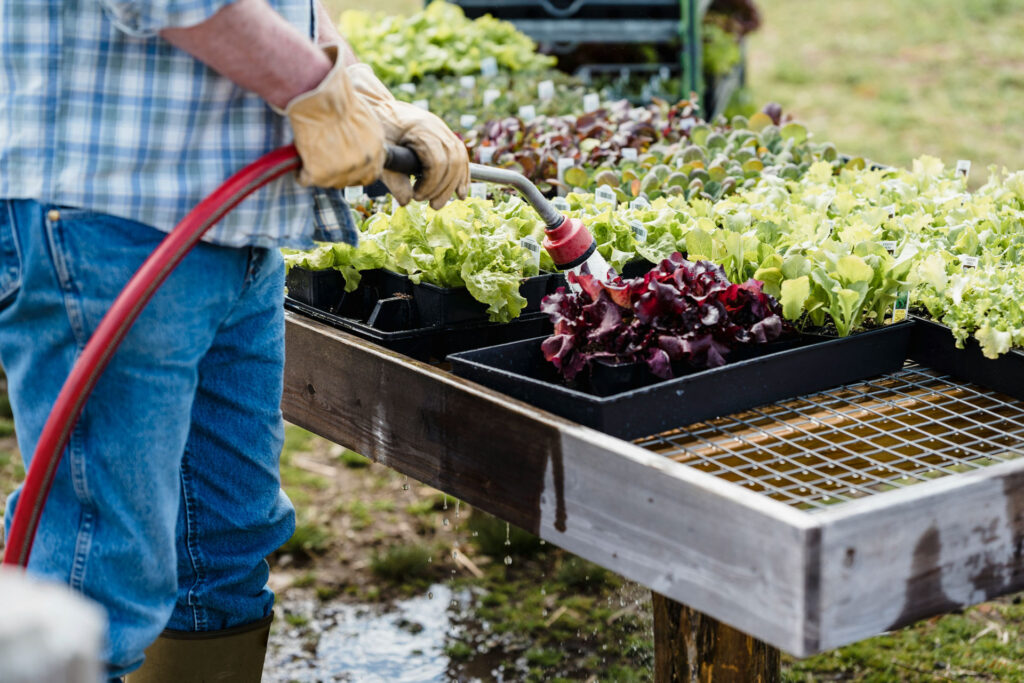
Recycled water is provided for irrigation of farmlands, Homeowner Association common areas, school grounds, parks and golf courses.
Everyone benefits from recycled water. As the population in California continues to grow from the current 32 million to an estimated 52 million people by the year 2030, so does the demand on our limited water supply. Since our drinking water supply is limited, finding ways to conserve that supply is critical. By using recycled water for irrigation, we can conserve our precious drinking water supply while providing a reliable, growing, and drought-proof source of additional water.
Yes! Recycled water is made by purifying wastewater. It is given additional disinfection and filtration processes that make it safe for irrigation. Recycled water is carefully monitored to protect public health and safety, and is strictly regulated by the local and state Departments of Public Health and the Regional Water Quality Control Board. It is safely used at hundreds of farms, parks, schools, greenbelts, agricultural operations, and golf courses throughout California. The recycled water pipeline system is separate from the drinking water system.
Recycled water is almost as pure as drinking water. It has been carefully treated and has been disinfected to kill microorganisms. As a result of this treatment, recycled water is perfect to use as a supply for irrigation. Even if you or a pet swallowed recycled water, it should not cause sickness. However, it still contains very small concentrations of some microconstituents and salts that keep it from meeting our strict drinking water standards.
Water recycling is practiced worldwide. California has been a pioneer in water recycling for over 50 years. In California there are over 250 water recycling plants in operation. The first wastewater treatment plant built solely for water recycling and reuse was constructed in 1932 in San Francisco (McQueen Plant) to irrigate the world-renowned Golden Gate Park’s landscaping, fill its lakes and provide water for its waterfalls and streams.

Reuse of Agricultural Wastewater
Water Savings
Applications
Additional Benefits

Gray Water
Water Savings
Applications
Additional Benefits

Featured Recycled Water Resources
Photo Credits: Pajaro Valley Water Management Agency, Robert Kso, Los Muertos Crew, Quang Nguyen, Greta Hoffman