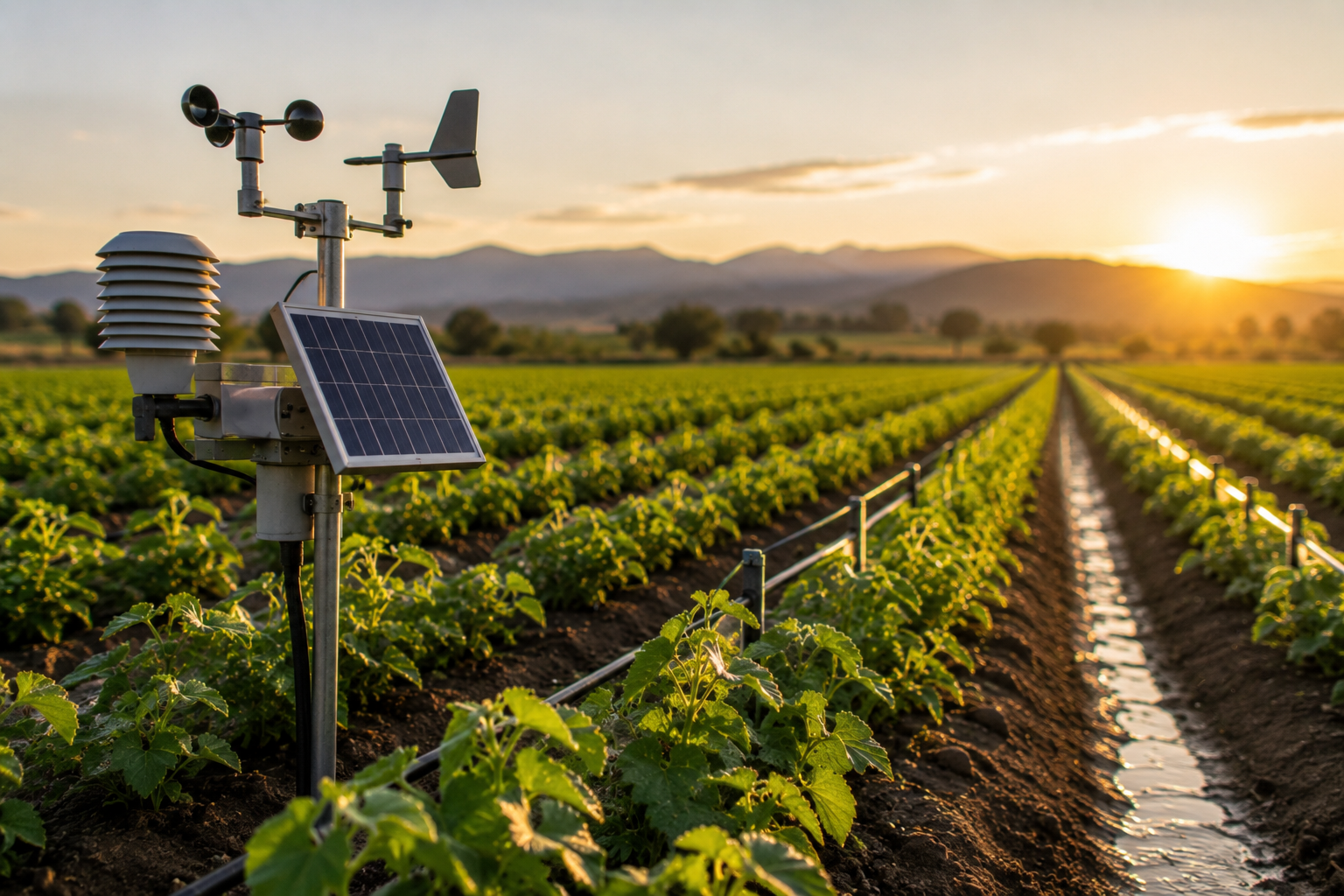
Efficient irrigation starts with understanding how much water crops actually use. The Water Budget Method of Irrigation Scheduling offers a practical, data-driven approach to applying the right amount of water at the right time—helping growers improve efficiency and conserve resources.
At the core of this method is the concept of balancing water inputs and outputs—much like managing a financial budget. The goal is to replace the water that crops lose through evapotranspiration (ET), which includes both evaporation from the soil and transpiration from plants.
To estimate this water use, growers often rely on data from California Irrigation Management Information System, which provides reference evapotranspiration (ETo) values based on local weather conditions. These values are then adjusted using crop coefficients to determine how much water a specific crop requires.
By tracking daily water use and subtracting it from the soil’s available moisture, growers can determine when irrigation is needed and how much to apply. This helps prevent overwatering—reducing runoff and nutrient loss—while also avoiding plant stress caused by insufficient water.
The water budget method is especially useful in regions where water resources are limited. It allows for precise irrigation scheduling that adapts to changing weather patterns and crop growth stages.
While the method does require some record-keeping and familiarity with ET data, the benefits are significant. Growers gain better control over water use, improve crop performance, and support long-term sustainability.
In today’s agricultural landscape, tools like the water budget method are essential for making informed, efficient irrigation decisions—ensuring that every drop of water is used wisely.