On-Farm Agricultural Water
Stewardship Practices
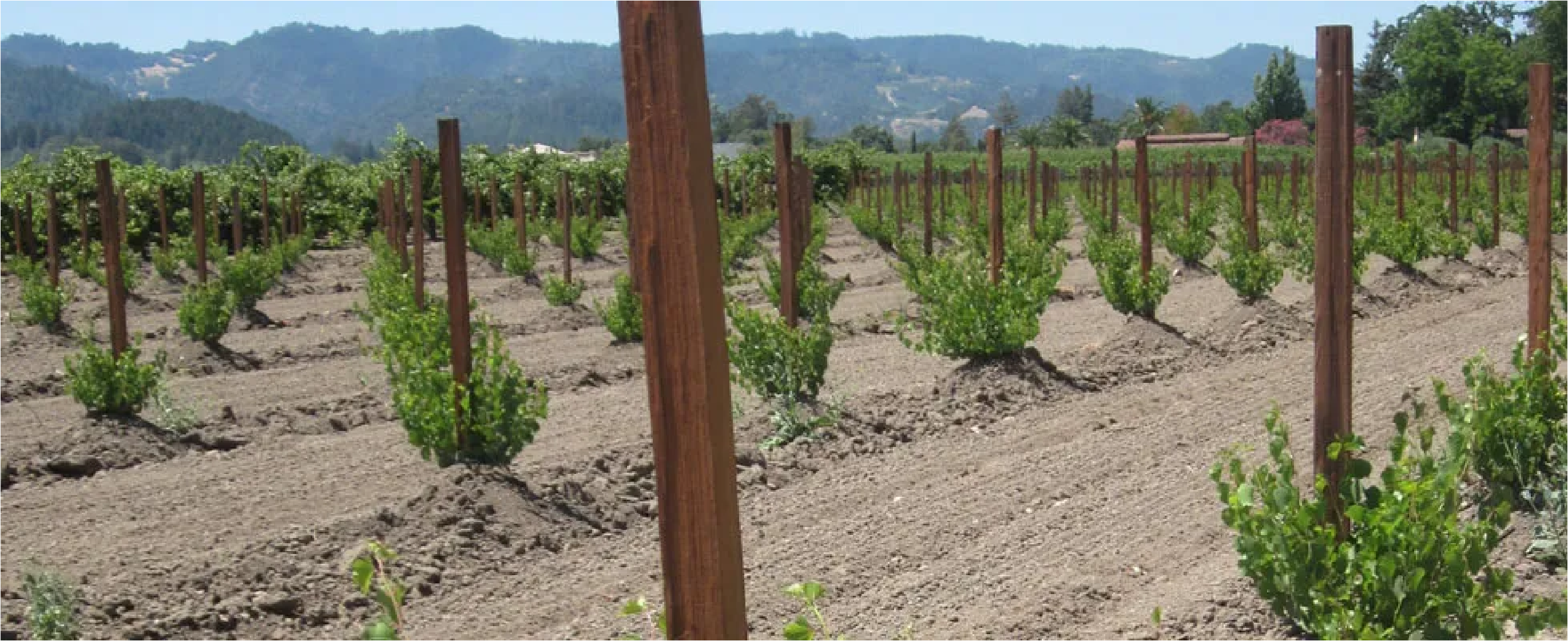
Dry Farming
Dry farming is not to be confused with rainfed agriculture. Rainfed agriculture refers to crop production that occurs during a rainy season. Dry farming, on the other hand, refers to crop production during a dry season, utilizing the residual moisture in the soil from the rainy season, usually in a region that receives 20” or more of annual rainfall. Dry farming works to conserve soil moisture during long dry periods primarily through a system of tillage, surface protection, and the use of drought-resistant varieties.
While this website aims to provide information to assist in water management decision-making, it is not a technical guide. Growers and ranchers should consult with their Farm Advisor, local Resource Conservation District, Natural Resource Conservation Service, or other technical support entities before implementing significant changes in farm practices.
This website does not constitute a comprehensive list of water stewardship practices. It is a work in progress and we anticipate expanding the content over time as new practices and information emerge. Please contact us with any information you would like us to consider adding to the website and check back periodically for additional content.